
Artists in residence
Each year, the Cité internationale des arts welcomes more than 1,000 artists from around the world, offering them a space for creation, research, and exchange in Paris, in the Marais and Montmartre districts. Open to all artistic disciplines—visual arts, music, literature, film, design and architecture, performing arts, and curating—it enables artists to develop their projects in an environment that fosters experimentation and meaningful connections.
Ryoko Ikezaki
Year/s of residence : 2022, Sokei Academy of Fine Art & Design
Visual arts
Robert Ikin
Year/s of residence : 2008, Tasmania University, Australia
Visual arts
Kari Ikonen
Year/s of residence : 2004, 2015, 2018, 2026, Finnish Cité internationale des arts Foundation, Finnish Foundation of the Cité des Arts de Paris
Music
The award-winning Finnish composer, pianist and Moogist Kari Ikonen (born 1973) is one of the leading figures on the European jazz and improvised music scene. A unique musical innovator, he has performed all over the world alongside artists such as Lee Konitz and Louis Sclavis, and his work is documented on over 50 albums. Inspired by Arabic music, he invented the revolutionary Maqiano™ Microtuning System, which allows micro-intervals to be played on the acoustic piano. His current project is to create a repertoire for microtonal solo piano and an entirely new language of improvisation, outside any existing musical tradition.
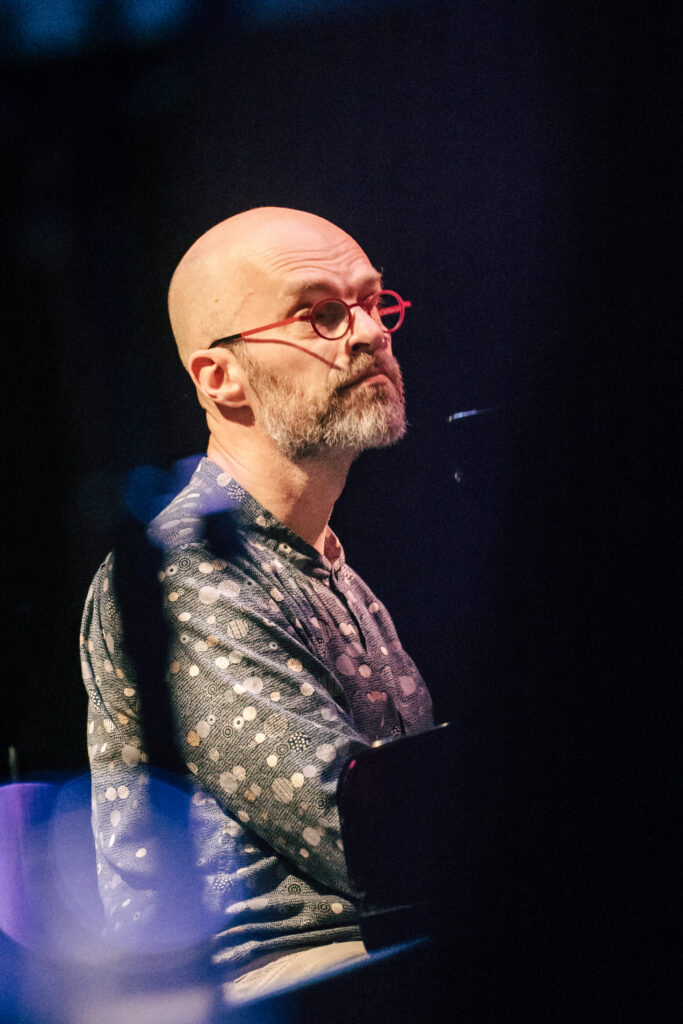
Kari Ikonen © Georg Cizek-Graf
Dmitri Ikonnikov-Tsipoulin
Year/s of residence : 2004, 2009, 2012, Union of Russian Artists
Visual arts
Tatiana Ikonnikova-Tsipoulina
Year/s of residence : 2004, 2009, 2012, Union of Russian Artists
Visual arts
Elissaveta Ikonopissova
Year/s of residence : 1992, Union of Bulgarian Artists
Visual arts
Urpu Ilasmaa
Year/s of residence : 1976, 1990, 1999, 2005, Finnish Foundation of the Cité des Arts de Paris
Visual arts
Nataliya Ilchuk
Year/s of residence : 2023, 2–12
Visual arts
Ukrainian film and video artist. Graduated from Le Fresnoy – Studio National des Arts Contemporains in 2020. Since 2022, PhD candidate at CY Cergy Paris Université and ENSAPC. Working mainly with private archives, exploring the impact of modern technology and political ideology on constructing human relationships and art processes. Interested in variations in the perception of reality due to the effects of mass media and screen representation of identity shaped on the verge of different eras. Examining the challenges of reflecting the lived experience beyond contestable art conventions.
Nataliya’s first solo exhibition took place at Vašulka Kitchen Brno in the Czech Republic in 2023. Her films and video installations have been shown at FIDMarseille, Documenta Madrid, DOK Leipzig, Riga IFF, Vidéoformes Digital Arts Festival, Kyiv Biennial, CCA Glasgow, Plato Ostrava, DOCK 20 Museum, among many other film festivals, art centers and galleries, and have been rewarded at Viborg Animation Festival, Archivio Aperto, Mediawave, Juan Downey International Contest, Molodist Film Festival. She has been an artist in residence at Light Cone, Lizières, Saari Residence and Fondation Matrice.
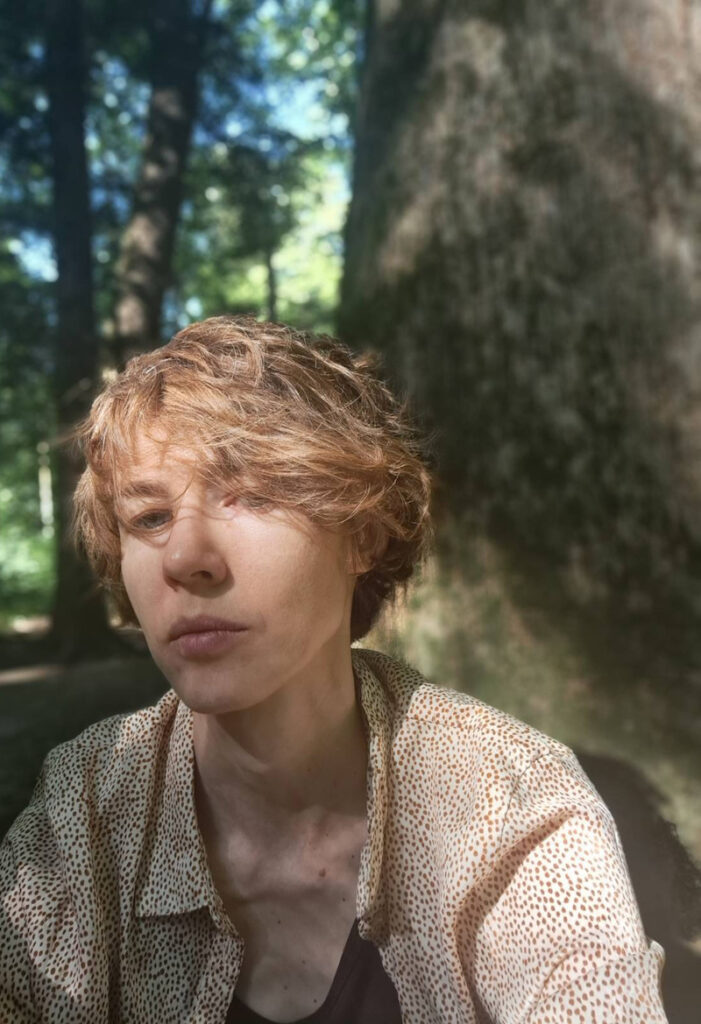
© Agape|_@_|© Agape
Kari-bjorg Ile
Year/s of residence : 1997, 2003, Frits Thaulow Foundation, Norway
Visual arts
Gemma Iles
Year/s of residence : 2000, Royal College of Arts of London, united Kingdom
Visual arts
Corin Ileto
Year/s of residence : 2024, Creative Australia
Music
Aleksandra Ilic
Year/s of residence : 2017, Union of Associations of Fine Arts of Yugoslavia (SULUJ)
Visual arts
Djordje Ilic
Year/s of residence : 1985, Union of the Association of Artists (SULUJ), Serbia
Visual arts
Ivan Ilic
Year/s of residence : 2005, Cité internationale des arts
Music
Nenad Ilic
Year/s of residence : 2017, Union of Associations of Fine Arts of Yugoslavia (SULUJ)
Visual arts
Ilia Iliev
Year/s of residence : 2005, Union of Bulgarian Artists
Visual arts
Stoian Iliev
Year/s of residence : 1984, Union of Bulgarian Artists
Visual arts
Kaloyan Iliev-Kokimoto
Year/s of residence : 2012, Union of Bulgarian Artists
Visual arts
Teodora Ilieva-Peteva
Year/s of residence : 2014, Union of Bulgarian Artists
Literature
Goce Ilievski
Year/s of residence : 2022, Ministry of Culture of Republic of North Macedonia
Visual arts
