
Artists in residence
Each year, the Cité internationale des arts welcomes more than 1,000 artists from around the world, offering them a space for creation, research, and exchange in Paris, in the Marais and Montmartre districts. Open to all artistic disciplines—visual arts, music, literature, film, design and architecture, performing arts, and curating—it enables artists to develop their projects in an environment that fosters experimentation and meaningful connections.
YongHoon Lee
Year/s of residence : 2015, Samsung Foundation for Culture and the Arts, South Korea
Visual arts
Yoon Ji Lee
Year/s of residence : 2021, College of Fine Arts, Hongik University
Visual arts
You Mee Lee
Year/s of residence : 2010, Gana Art Gallery, South Korea
Visual arts
Young Joo Lee
Year/s of residence : 2025, 2–12
Visual arts
Young Joo Lee is a South Korean multidisciplinary artist who recently relocated to Paris after living in Germany, the United States, and Canada. She examines and reimagines her experiences of immigration, motherhood, and cultural heritage by creating narrative worlds using drawing, digital media, performance, and installation. She is currently working on a practice-based doctoral thesis (SACRe) at the École Normale Supérieure on matrilineal and matrifocal societies as critiques of the present and guides for the future. Lee has exhibited and held artist residencies internationally, including the National Museum of Modern and Contemporary Art (Seoul) and The Drawing Center (NYC), Curitiba Biennial, and was a Harvard College Fellow, Macdowell Fellow, Fulbright, and DAAD scholarship holder.
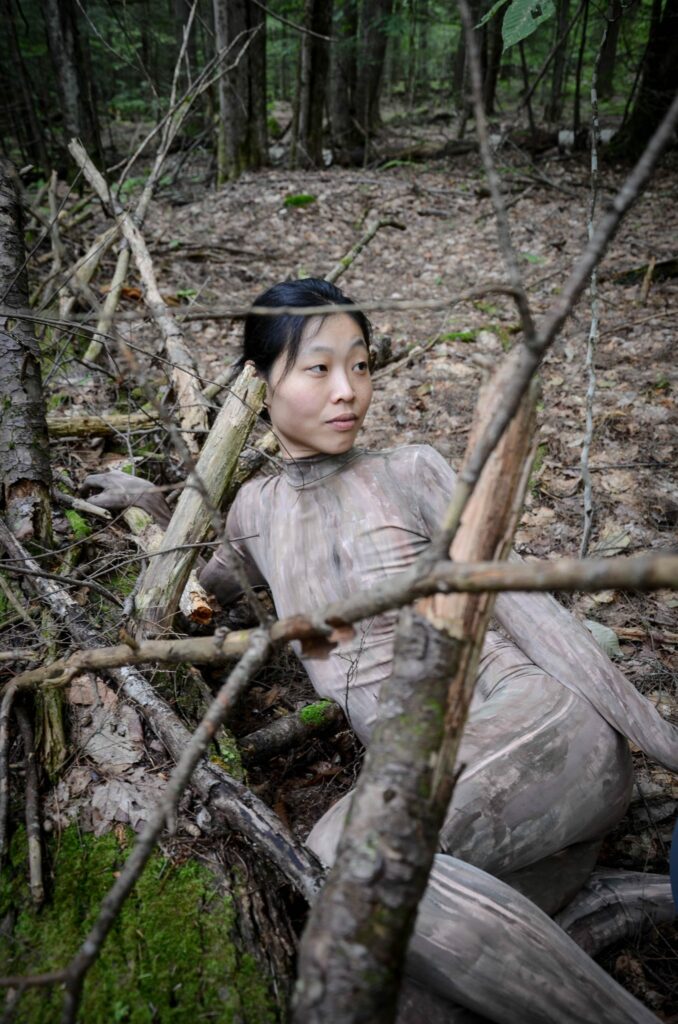
© Kristen Joy Mack
Yul Lee
Year/s of residence : 2024, 2026, College of Fine Arts, Hongik University
Visual arts
Stephen Lees
Year/s of residence : 1998, Tasmania University, Australia
Visual arts
Krista Leesi
Year/s of residence : 2013, Institut français
Visual arts
Céleste Leeuwenburg
Year/s of residence : 2010, Cité internationale des arts
Visual arts
Camille Lefebvre
Year/s of residence : 2026, Academy of Architecture
Architecture and design
Camille Lefebvre is an architect, artist and researcher based in Montreal. His work focuses on the built landscape, its temporalities and its arrangements. His practice mobilizes the model, drawing and painting to question the architecture of the habitat and its potential for transformation.
Trained by professional experiences in Tokyo and Montreal, she has participated in the development of residential, cultural and institutional projects in Japan, Taiwan, Greece, France and Canada. Recipient of several awards, scholarships and residencies, his research and creative work has been presented at the Grantham Foundation for Art and the Environment (Quebec). She is a lecturer at the School of Architecture of the University of Montreal and at the School of Design of UQAM.
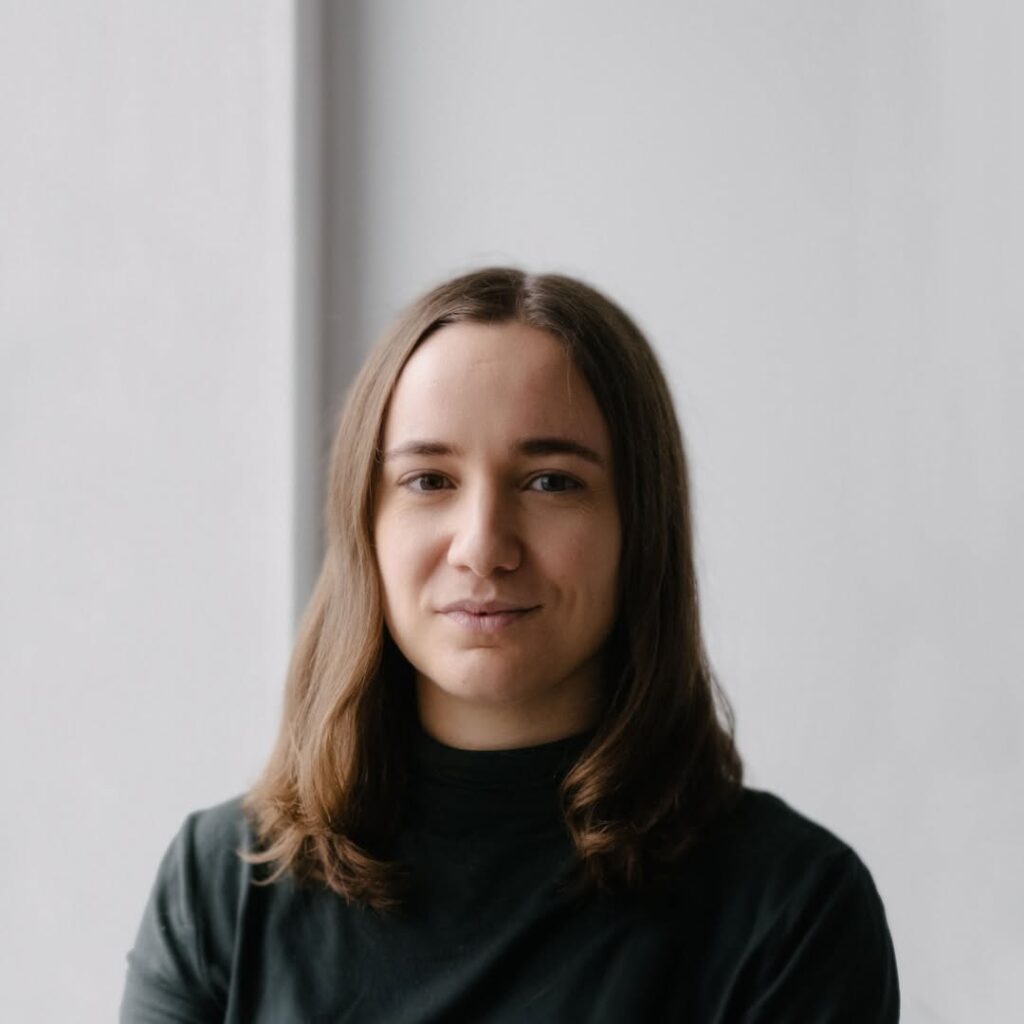
Camille Lefebvre © Villedepluie / André Rainville, 2023
Denys Lefebvre
Year/s of residence : 2003, Institut français
Spectacle vivant
Laurent Lefevre
Year/s of residence : 1990, 1991, Cité internationale des arts, Conservatoire National Supérieur de Musique et de Danse de Paris
Music
Lucas Leffler
Year/s of residence : 2022, Picto Foundation
Visual arts
Lucas Leffler is a young visual artist living and working in Brussels. He studied photography with a technical bachelor’s degree at the HELB (Brussels), as well as an artistic master’s degree at the KASK in Ghent. His work questions the nature of the photographic image, through its modes of production, its technique and its history.
His first publication Zilverbeek (Silver Creek) is out in fall 2019 with Dutch publisher The Eriskay Connection. His work has been exhibited at FOMU (Antwerp, BE) as part of the .tiff exhibition, at the Musée de l’Elysée (Lausanne, CH) as well as for the five-year reGeneration4 exhibition. In 2021, his work was represented by the Intervalle gallery at the a ppr oc he (Paris, FR), Unseen (Amsterdam, NL), Art Paris (FR) and Paris Photo (FR) shows.
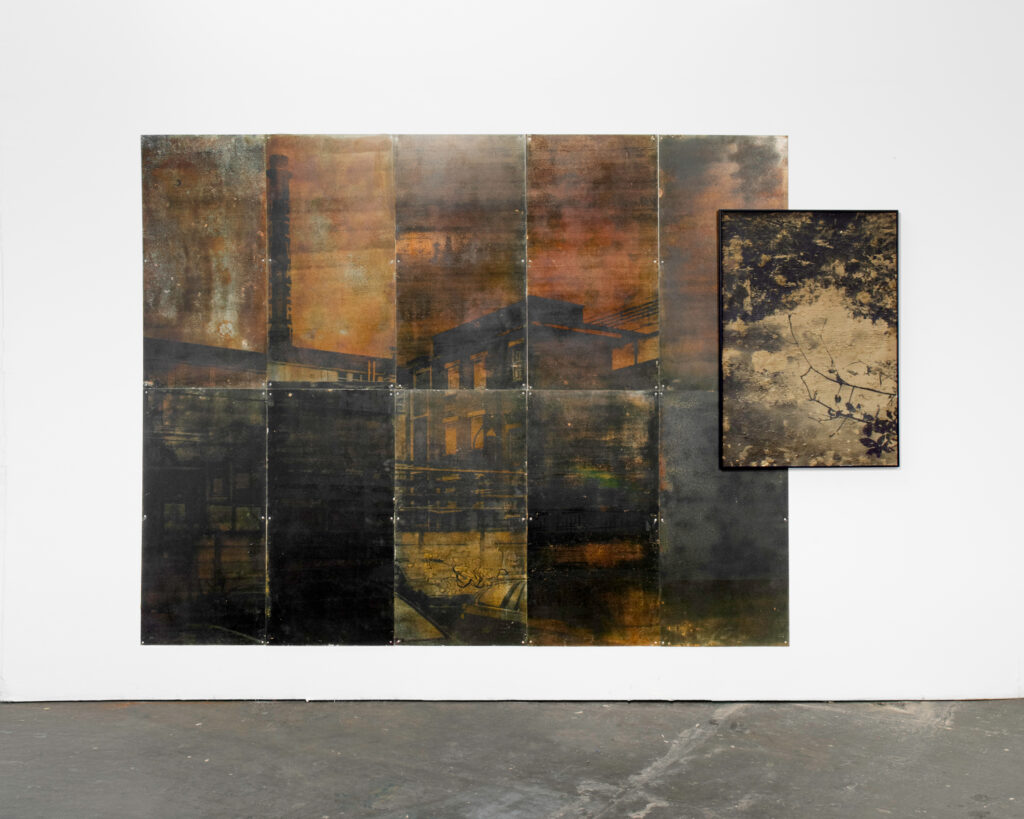
Lucas Leffler|_@_| Lucas Leffler
Elizabeth Lefrancq
Year/s of residence : 2007, Alumni Association of the Ecole Nationale Supérieure des Arts Décoratifs, France
Visual arts
Angèle Legasa
Year/s of residence : 2017, 2016, Conservatoire National Supérieur de Musique et de Danse de Paris
Music
Maria Legat
Year/s of residence : 2026, Austrian Federal Ministry for Housing, Arts, Culture, Media and Sport
Visual arts
Davide Legittimo
Year/s of residence : 1998, Canton of Vaud, Switzerland
Visual arts
George Legrady
Year/s of residence : 1988, 1989, 1991, Cité internationale des arts, Conseil des Arts et des Lettres du Québec
Visual arts
Jozef Legrand
Year/s of residence : 1983, 1984, Institut français, Wallonie-Bruxelles International (WBI), Belgium
Visual arts
Christel Leguevaques
Year/s of residence : 1986, Cité internationale des arts
Spectacle vivant
Pierre Leguillon
Year/s of residence : 2006, 2007, Cité internationale des arts
Visual arts
