Artist's News
In the studio with...
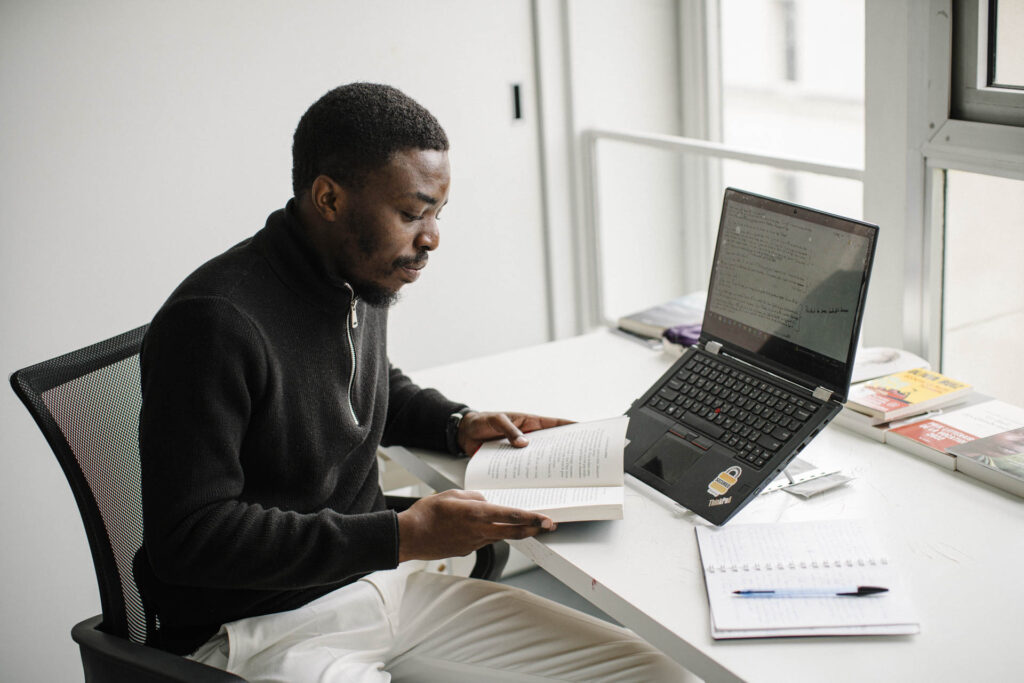
© Maurine Tric / Adagp, Paris, 2026
Pascal Boroto, a Congolese journalist and author, is originally from South Kivu in the DRC. His writing and research are rooted in fieldwork and focus on the memories of survivors of the wars in the east of the Democratic Republic of the Congo.
This residency has changed the way I write. My work has traditionally been closely tied to fieldwork, personal accounts and human urgency. At the Cité internationale des arts, I was able to take a step back. I realised that I could draw inspiration not only from pain, but also from encounters, conversations, reading, moments of silence and the discovery of other artistic sensibilities.
It also confirmed to me that my writing has a place in international circles without having to lose its Congolese roots. I’m leaving with greater confidence in what I bring to the table as an author.
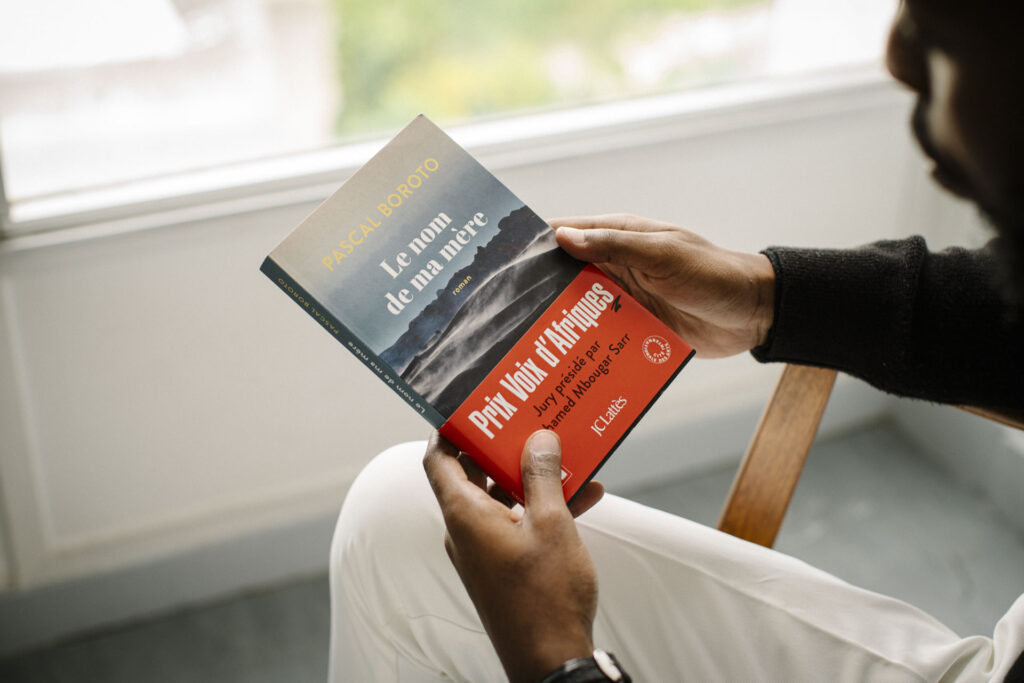
© Maurine Tric / Adagp, Paris, 2026
It gives me time and breathing space. In the DRC, especially in the east, working as a journalist, I often found myself writing under pressure. Here, I’ve been able to read, reflect, revise my writing and take a step back from my own journey.
The Cité has also allowed me to meet artists and writers from various countries. These exchanges have helped me to see that certain questions I grapple with regarding memory or violence are also present in other contexts.
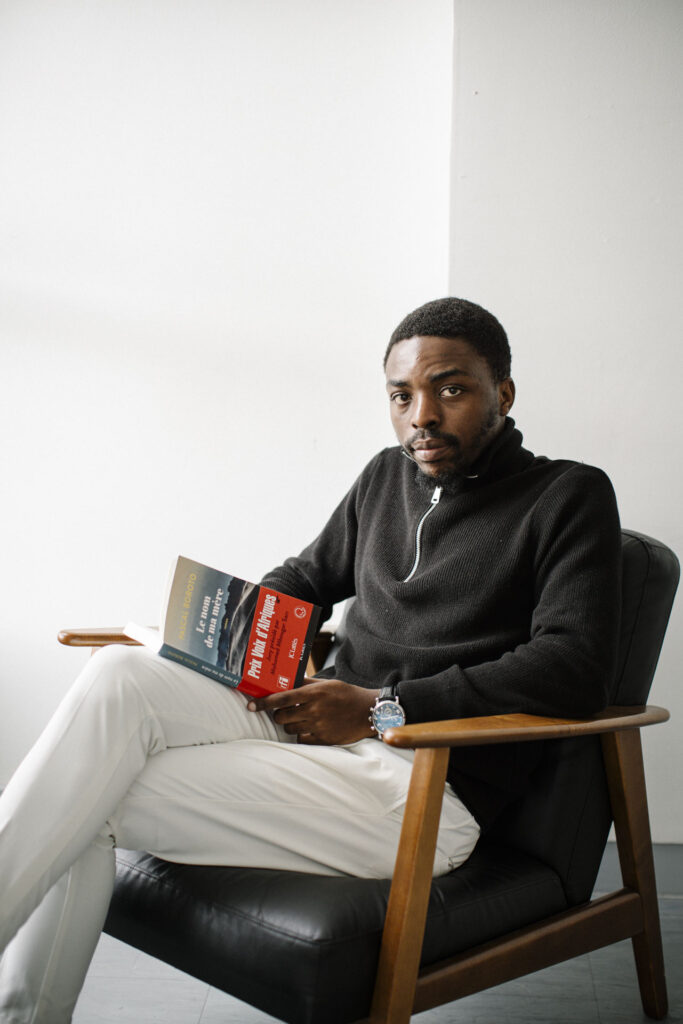
© Maurine Tric / Adagp, Paris, 2026
I am currently working mainly on two projects.
The first is a new novel that will explore social prejudices, heritage, and emancipation in depth.
The second is Les Voix des Oubliés (The Voices of the Forgotten), a project dedicated to preserving the memories of victims of violence in eastern DRC. I am collecting testimonies to preserve voices that official history often overlooks. From this point onwards, I have had to work on its structure, and indeed its restructuring.
In both cases, I am working on the themes of social education, human dignity, memory, and the passing on of knowledge.