Artist's News

The Cité &...

Unknown photographer © Fonds d'archives de la Cité internationale des arts
A historic partner of the Cité internationale des arts since 1965, the Conseil des arts et des lettres du Québec (CALQ) has supported over a hundred Québec artists in residence in Paris. A look back at six decades of an ever-evolving collaboration.
The 1960s in Quebec were marked by a period of modernisation in which the government undertook sweeping reforms designed to open the province up to the world: culture was now regarded as a strategic asset. It was against this backdrop of socio-cultural dynamism that the partnership between Quebec and the Cité internationale des arts in Paris was established. In 1994, the Conseil des arts et des lettres du Québec was established and took over the development of artist residencies, including those at the Cité. Today, this historic partnership remains a cornerstone of support for mobility, creation, and research, and plays a vital role in promoting Québec’s influence on the international arts scene.

Administrative file for Claude Savard, in residence in 1965, 1966, 1967, 1979 and 1989 © Cité internationale des arts archives
‘The Cité internationale des arts is a flagship venue for us: a unique space for creation and research in the heart of Paris. It serves as a vital hub for Québec in Europe, a place for encounters, dissemination and outreach, where artists can develop their practice within a dynamic and interdisciplinary international community.’
More than a hundred Quebec artists have stayed at the Cité internationale des arts since 1965 (since 1993, an average of three artists per year have stayed there), reflecting the strengthening of this partnership over the years and the importance of Paris as a key location in their professional careers. During the early decades, the hosted artists worked primarily in music and the visual arts. When the CALQ took over the programme in 1994, the collaboration expanded to cover a much wider range of artistic disciplines, now including literature, dance, theatre, and film.
Québec and the Cité internationale des arts share a commitment to providing an environment conducive to artistic research, experimentation, and innovation. With over 4,000 supported presentations of works and a presence in 59 countries in 2024–2025, the CALQ is investing heavily in international mobility to enable Quebec artists to develop their networks and showcase their work on the global stage. In 2025, three new residency programmes were jointly launched for artists from the hip-hop and spoken word scenes, as well as Indigenous artists and curators, thereby reinforcing a shared commitment to inclusion and diversity.

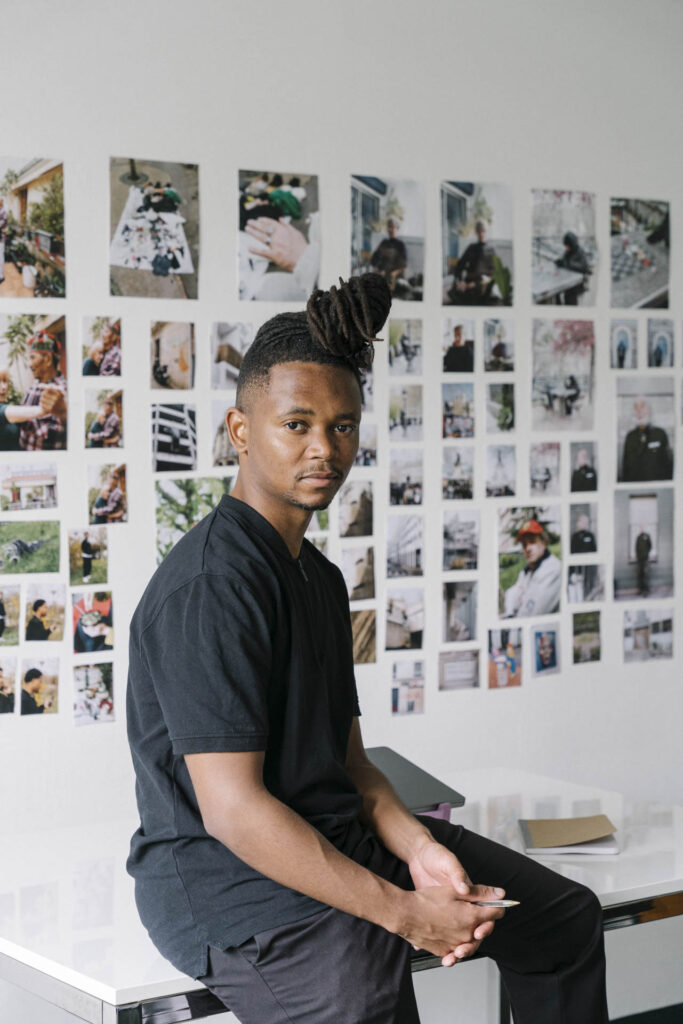
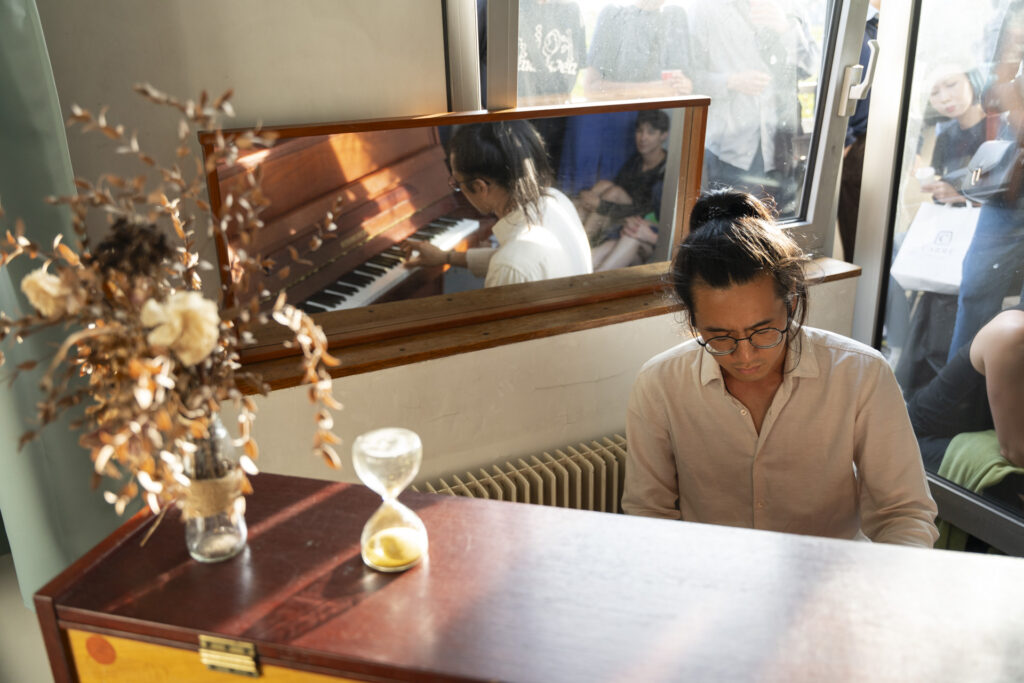
Frédérique PAX Dumas, Lya Olivia Thomassie et Kama La Mackerel, in residence from September to November 2025 © Maurine Tric / Adagp Paris, 2025
For us, the Cité internationale des arts is a flagship venue: a unique space for creation and research in the heart of Paris. It serves as a vital hub for Québec in Europe, a place for encounters, dissemination and outreach, where artists can develop their practice within a dynamic and interdisciplinary international community. Whether they are emerging or established Quebec artists, residencies at the Studio du Québec enable them to immerse themselves in Paris’s artistic and cultural life and to draw inspiration from its diverse approaches to creating and conceptualising art.

Nelson Hendricks, in residence from July to December 2025 © Maurine Tric / Adagp Paris, 2025
For 30 years, the Conseil des arts et des lettres du Québec (CALQ) has been investing in the imagination and celebrating the achievements of those who create landmark works that shape our cultural identity and promote it far and wide. With a view to fostering equitable and sustainable artistic development, the CALQ supports creation, experimentation and production in the arts and literature across all regions of Québec, and promotes their dissemination in Québec, Canada and abroad.
The Quebec General Delegation in Paris represents Quebec throughout France and the Principality of Monaco. Inaugurated on 5 October 1961, it works to promote and defend Quebec’s interests and to strengthen its relations in the institutional, political, cultural, economic and scientific spheres.